- What Is Zoology? A Complete Guide for Students
Introduction to Zoology
Zoology is a major branch of biology that deals with the scientific study of animals. It focuses on understanding animal life, including their structure, behavior, evolution, genetics, physiology, and interaction with the environment. From microscopic organisms to large mammals, zoology covers every aspect of animal existence on Earth.
For students who are interested in biology, wildlife, nature, or research, zoology offers a wide range of academic and career opportunities. This complete guide explains what zoology is, its branches, subjects, career scope, study tips, and future prospects, making it ideal for students at school or college level.
Definition of Zoology
Zoology is defined as the branch of biology that studies animals and animal life. The word “zoology” comes from two Greek words:
-
Zoon meaning “animal”
-
Logos meaning “study”
Thus, zoology literally means the study of animals. It helps scientists to understand how animals live, grow, reproduce, evolve, and survive in different environments.
Importance of Zoology
Zoology plays a crucial role in understanding life on Earth. It helps students and scientists to:
-
Understand animal diversity and evolution
-
Protect endangered species
-
Improve animal health and welfare
-
Contribute to medical and scientific research
-
Maintain ecological balance
-
Support conservation and environmental protection
Zoology is not only about studying animals but also about understanding how humans are connected to nature.
Major Branches of Zoology
Zoology is a vast subject divided into several branches. Each branch focuses on a specific area of animal study.
Core Branches of Zoology
-
Animal Diversity (Systematics) – Classification and identification of animals
-
Morphology – Study of external structure of animals
-
Anatomy – Study of internal organs and body systems
-
Histology – Study of animal tissues
-
Cytology (Cell Biology) – Study of animal cells
-
Physiology – Study of how animal organs function
-
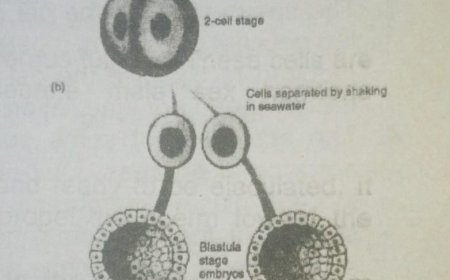
Embryology – Study of animal development from fertilization
-
Genetics – Study of heredity and variation
-
Evolution – Study of origin and development of animals
-
Ecology – Study of animals and their environment
Specialized Branches of Zoology
-
Entomology – Study of insects
-
Ichthyology – Study of fishes
-
Ornithology – Study of birds
-
Herpetology – Study of reptiles and amphibians
-
Mammalogy – Study of mammals
-
Parasitology – Study of parasites
-
Ethology – Study of animal behavior
-
Wildlife Biology – Study of wild animals and conservation
These branches allow students to specialize in areas of their interest.
Subjects Included in Zoology
A zoology student studies a combination of theoretical and practical subjects, such as:
-
Animal Diversity and Classification
-
Cell Biology
-
Genetics and Molecular Biology
-
Animal Physiology
-
Developmental Biology
-
Ecology and Environment
-
Evolutionary Biology
-
Biotechnology (in advanced studies)
Practical work such as microscopy, specimen study, fieldwork, and laboratory experiments is also an important part of zoology.
Skills Required to Study Zoology
To succeed in zoology, students should develop the following skills:
-
Strong interest in biology and nature
-
Observation and analytical skills
-
Patience and curiosity
-
Research and data interpretation skills
-
Basic knowledge of chemistry and statistics
-
Ability to draw and label diagrams
How to Study Zoology Effectively
Here are some useful tips for zoology students:
Study Techniques
-
Make diagram-based notes
-
Use flowcharts and tables
-
Revise topics regularly
-
Understand concepts instead of memorizing
-
Use real-life examples from animals
-
Practice previous exam questions
Practical Learning
-
Learn microscope handling
-
Practice biological drawings
-
Observe animals in natural habitats (ethically)
-
Keep field notebooks and records
Consistent study and revision are key to mastering zoology.
Career Options in Zoology
Zoology offers diverse career opportunities in both public and private sectors.
Academic and Research Careers
-
Zoologist
-
Research Scientist
-
Professor or Lecturer
-
PhD Researcher
Medical and Applied Fields
Wildlife and Environmental Careers
Government Jobs
-
Civil Services
-
Forest Services
-
Fisheries Officer
-
Environmental Officer
Other Career Options
Courses Available in Zoology
Students can pursue zoology through various academic levels:
-
Undergraduate: BSc in Zoology
-
Postgraduate: MSc in Zoology, Wildlife Biology, Ecology
-
Doctoral: PhD in Zoology
-
Short Courses: Bioinformatics, GIS, Conservation Biology
Advantages of Studying Zoology
-
Deep understanding of animal life
-
Wide career opportunities
-
Contribution to environmental protection
-
Foundation for medical and research fields
-
Development of scientific thinking
Challenges in Zoology
-
Requires regular revision
-
Extensive syllabus
-
Fieldwork can be demanding
-
Competitive research opportunities
However, with dedication and interest, these challenges can be managed successfully.
Is Zoology a Good Career Choice?
Zoology is a good career choice for students who:
-
Love animals and nature
-
Enjoy biology and research
-
Want to work in conservation or science
-
Are curious about life processes
With growing awareness of biodiversity and environmental protection, the demand for zoology professionals is increasing.
Conclusion
Zoology is a fascinating and important branch of biology that helps us understand the animal kingdom and its role in nature. For students, it offers a strong academic foundation, diverse career paths, and the opportunity to contribute positively to science and the environment. With proper planning, dedication, and interest, zoology can be a rewarding and meaningful field of study.





















 Like
0
Like
0
 Dislike
0
Dislike
0
 Love
0
Love
0
 Funny
0
Funny
0
 Angry
0
Angry
0
 Sad
0
Sad
0
 Wow
0
Wow
0