

















The Next Frontier: How IT is Rewriting the Rules of Business in 2026
Discover how IT is fundamentally rewriting business rules for 2026 and beyond. Learn about the strategic shift towards hyper-personalization, intelligent automation, decentralized workforces, and embedding cybersecurity and Green IT into every operation to ensure competitive survival and maximize innovation.

The Next Frontier: How IT is Rewriting the Rules of Business in 2026
The year 2026 isn't just another calendar entry; it’s a critical inflection point where the digital blueprints laid over the past decade fully mature, fundamentally reshaping the business landscape. Information Technology (IT) is no longer a supporting function but the very engine driving innovation, strategy, and competitive advantage. We are witnessing a profound shift, a complete rewrite of the rules of engagement, efficiency, and existential survival for enterprises across the globe.
I. Hyper-Personalization at Scale: The Customer as the Core Algorithm
Forget one-size-fits-all. In 2026, the power of data analytics, AI, and machine learning has elevated customer experience to an unprecedented level of hyper-personalization. Every interaction, product suggestion, and service offering is dynamically tailored, often in real-time, based on predictive analytics of individual behavior, preferences, and even emotional states.
Companies are leveraging advanced IT infrastructures to process vast datasets from every touchpoint – social media, browsing history, purchase patterns, IoT device interactions – to create a 360-degree, evolving profile of each customer. This isn't just about targeted ads; it’s about intelligent systems anticipating needs, offering proactive solutions, and building deeply resonant, almost symbiotic relationships between brands and consumers. The rule being rewritten here is that customer loyalty is now a direct output of predictive, personalized value delivery.

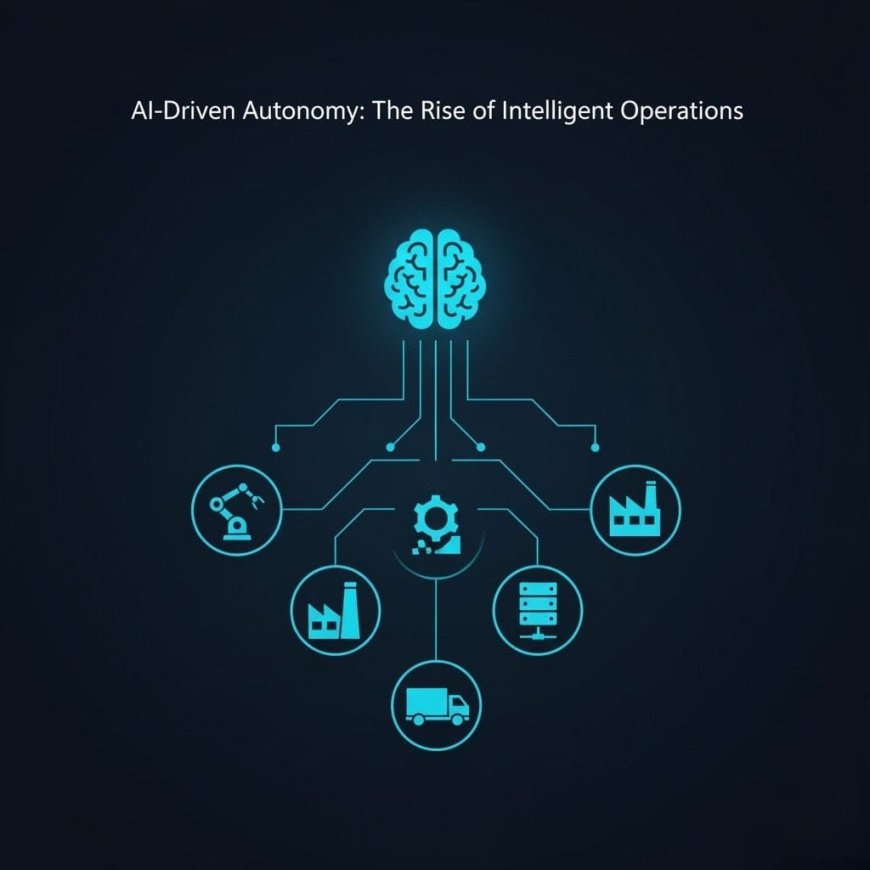
II. AI-Driven Autonomy: The Rise of Intelligent Operations
The buzz around Artificial Intelligence has finally translated into tangible, widespread operational autonomy. In 2026, AI isn't just assisting; it's actively managing, optimizing, and even making decisions across critical business functions.
From supply chain management, where AI predicts demand fluctuations with near-perfect accuracy and optimizes logistics routes, to automated customer service bots handling complex queries with human-like empathy, intelligent systems are freeing human capital from repetitive tasks and empowering them for strategic, creative, and emotionally nuanced work. IT departments are at the forefront, implementing robust AI governance frameworks, ensuring ethical deployment, and building the scalable computational infrastructure required for these advanced algorithms. This new rule states that operational efficiency is now inextricably linked to the intelligent automation of core processes.
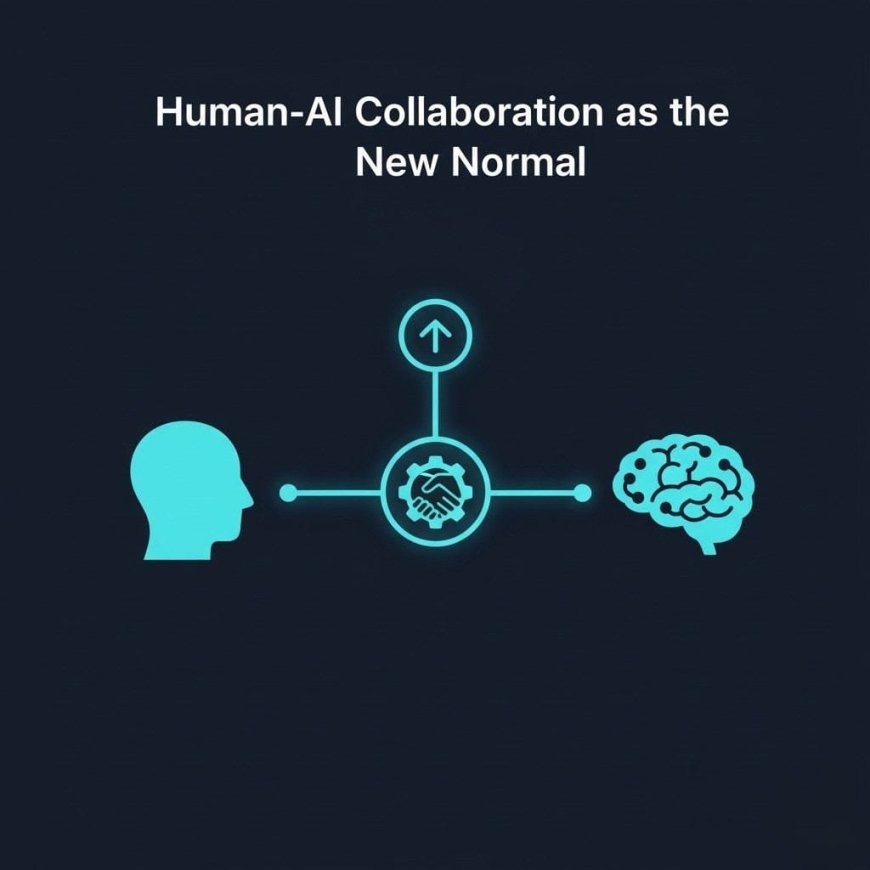
III. The Blended Workforce: Human-AI Collaboration as the New Normal
The fear of AI replacing humans has largely given way to the reality of AI augmenting humans. 2026 showcases a fully blended workforce where collaboration between human employees and intelligent agents is seamless and productive. From data scientists leveraging AI to uncover insights from massive datasets, to marketers using generative AI to craft compelling content at speed, IT is enabling new paradigms of human potential.
This requires sophisticated IT environments that support intuitive interfaces, robust data sharing protocols, and secure communication channels between human and AI counterparts. Training programs are shifting to focus on "AI literacy" – how to effectively partner with, manage, and leverage AI tools. The rewritten rule: productivity and innovation are maximized through harmonious human-AI synergy.
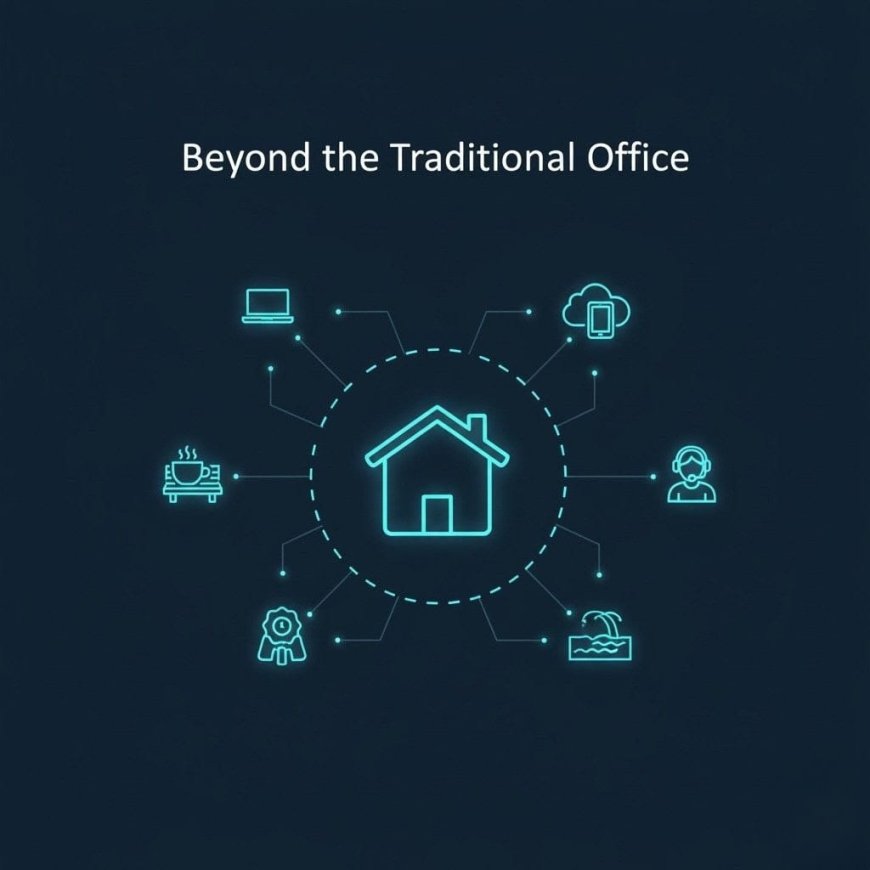
IV. The Decentralized Enterprise: Beyond the Traditional Office
The hybrid work models accelerated by the pandemic have evolved into truly decentralized enterprise structures by 2026. Cloud-native architectures, advanced collaboration platforms, and robust cybersecurity measures enable teams to operate effectively from anywhere, tapping into global talent pools. The physical office, where it exists, serves more as a hub for innovation and community than a mandated workspace.
This distributed model demands a highly resilient, secure, and performant IT infrastructure. Edge computing is playing an increasingly vital role, bringing data processing closer to the source to reduce latency and enhance real-time decision-making for remote operations. The rewritten rule: organizational agility and talent acquisition are no longer bound by geographic constraints.
V. Cybersecurity as a Foundational Pillar, Not an Afterthought
As businesses become more interconnected and data-driven, the threat landscape has grown exponentially. In 2026, cybersecurity is no longer an add-on but a foundational architectural principle. Zero-Trust models are standard, embedded directly into IT infrastructure, assuming no user or device can be trusted by default, regardless of their location.
Advanced threat detection, powered by AI and machine learning, continuously monitors for anomalies, predicting and neutralizing threats before they can cause significant damage. Furthermore, the emphasis is on cyber-resilience – the ability to quickly recover from an attack – rather than just prevention. The rewritten rule: digital trust is the bedrock upon which all modern business operations are built.

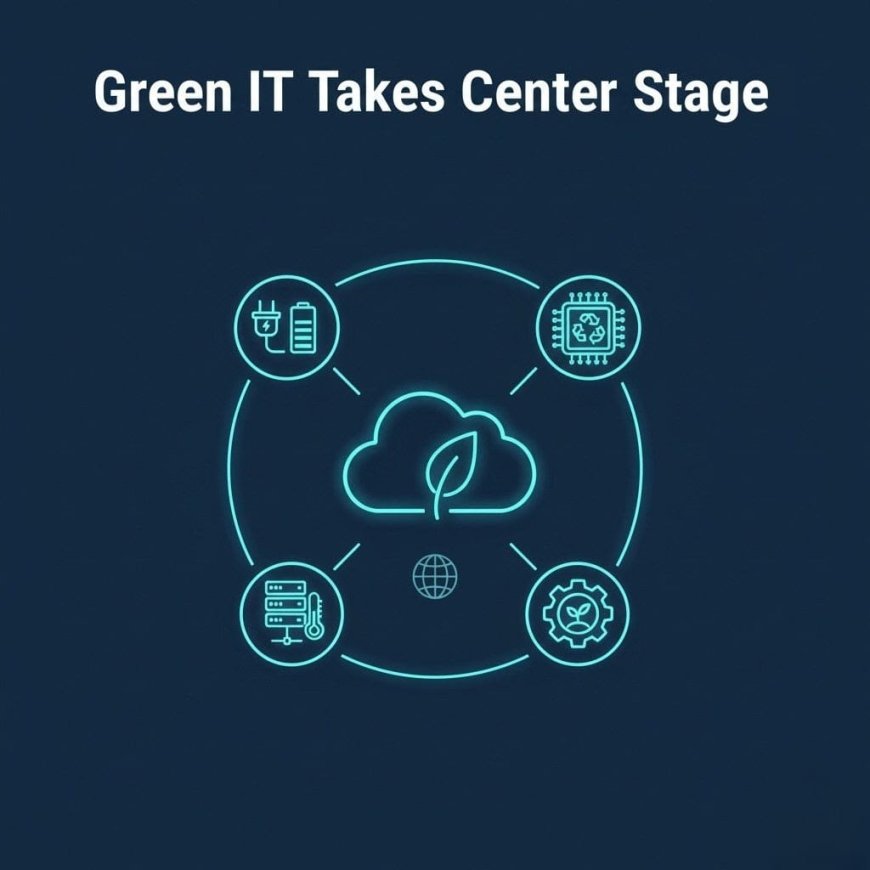
VI. Sustainability Embedded by Design: Green IT Takes Center Stage
With increasing awareness and regulatory pressure, sustainable practices are no longer optional. In 2026, IT departments are actively leading the charge for "Green IT," optimizing infrastructure for energy efficiency and reducing carbon footprints. From selecting energy-efficient data centers powered by renewables to optimizing software algorithms for minimal computational load, sustainability is becoming a key performance indicator for IT operations.
Blockchain technology is also being explored to provide transparent and verifiable supply chain sustainability tracking. The rewritten rule: responsible corporate citizenship is integrated into every layer of IT infrastructure and strategy.
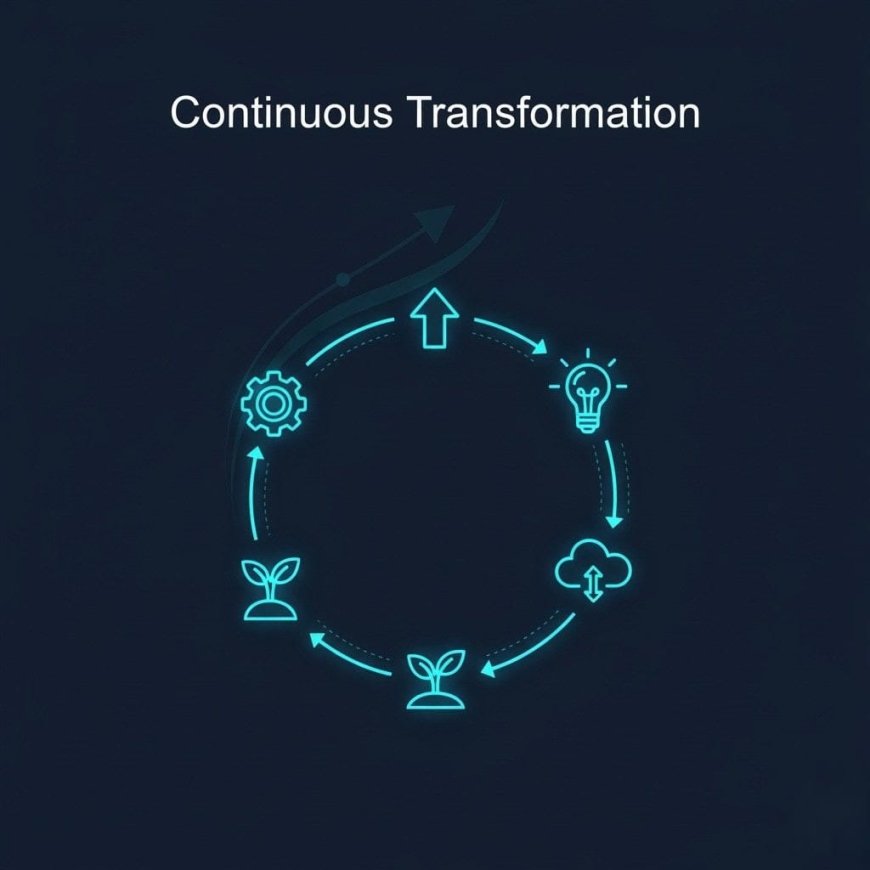
The Road Ahead: Continuous Transformation
The rules of business in 2026 are clear: adapt or be left behind. IT is no longer merely supporting business objectives; it is dictating them. The companies that thrive will be those that embrace these technological shifts, integrate them ethically, and continuously innovate their IT strategies to navigate this exhilarating, fast-evolving frontier. The journey of rewriting the rules is far from over; it’s just getting started.
What's Your Reaction?
 Like
0
Like
0
 Dislike
0
Dislike
0
 Love
0
Love
0
 Funny
0
Funny
0
 Angry
0
Angry
0
 Sad
0
Sad
0
 Wow
0
Wow
0