

















Malaria Disease: Causes, Symptoms, Treatment, and Prevention
Malaria and dengue are major mosquito-borne diseases that pose serious health risks. While malaria is caused by parasites and is treatable with medicines, dengue is viral and relies mainly on preventive and supportive care. Understanding the similarities and differences between malaria and dengue helps in early recognition, effective treatment, and disease prevention.


Malaria Disease: Causes, Symptoms, Treatment, and Prevention
Comparison of Malaria vs Dengue (Similarities and Differences)
Introduction to Malaria
Malaria is a serious mosquito-borne infectious disease caused by parasites of the genus Plasmodium. It remains a major public health issue in many tropical and subtropical regions, particularly in Africa, South Asia, and Southeast Asia. Malaria can be life-threatening if not diagnosed and treated promptly.
What Causes Malaria?
Malaria is caused by Plasmodium parasites, which infect red blood cells. There are five main species that cause malaria in humans:
-
Plasmodium falciparum (most dangerous)
-
Plasmodium vivax
-
Plasmodium malariae
-
Plasmodium ovale
-
Plasmodium knowlesi
Transmission of Malaria
How Malaria Spreads
-
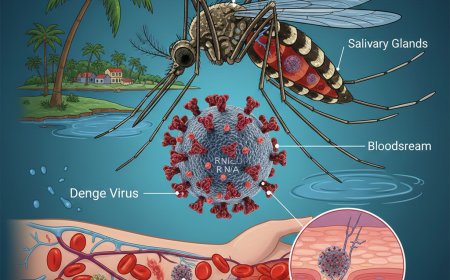
Malaria is transmitted through the bite of an infected female Anopheles mosquito.
-
The mosquito injects parasites into the bloodstream during feeding.
-
Malaria does not spread directly from person to person.
Risk Factors
-
Living in malaria-endemic areas
-
Poor sanitation
-
Warm and humid climate
-
Lack of mosquito control
Incubation Period of Malaria
The incubation period of malaria usually ranges from 7 to 30 days, depending on the parasite species.
Symptoms of Malaria
Common Symptoms
-
High fever with chills
-
Shivering and sweating
-
Headache
-
Muscle pain
-
Fatigue and weakness
-
Nausea and vomiting
Severe Malaria Symptoms
-
Severe anemia
-
Cerebral malaria (confusion, coma)
-
Organ failure
-
Difficulty breathing
-
Death (if untreated)
How Malaria Affects the Body
-
The parasite invades red blood cells, causing their destruction
-
This leads to anemia, oxygen deficiency, and organ damage
-
Plasmodium falciparum causes blockage of blood vessels, leading to severe complications
Diagnosis of Malaria
-
Blood smear test
-
Rapid diagnostic tests (RDTs)
-
PCR testing in advanced labs
Treatment of Malaria
Malaria is curable with proper medication.
Common Antimalarial Drugs
-
Chloroquine
-
Artemisinin-based combination therapy (ACT)
-
Primaquine
Early diagnosis and correct treatment prevent complications and death.
Prevention and Control of Malaria
-
Use of insecticide-treated mosquito nets
-
Indoor residual spraying
-
Elimination of stagnant water
-
Preventive antimalarial medicines for travelers
-
Public health awareness programs
Dengue Disease (Brief Overview)
Dengue is a viral mosquito-borne disease caused by the dengue virus and transmitted by the Aedes mosquito. Unlike malaria, dengue has no specific antiviral treatment, and prevention focuses on mosquito control.
Comparison of Malaria vs Dengue
Similarities Between Malaria and Dengue
| Common Features |
|---|
| Both are mosquito-borne diseases |
| Common in tropical and subtropical regions |
| Spread by female mosquitoes |
| Cause high fever |
| Preventable through mosquito control |
| More common during rainy season |
Differences Between Malaria and Dengue
| Feature | Malaria | Dengue |
|---|---|---|
| Causative agent | Plasmodium parasite | Dengue virus |
| Vector mosquito | Anopheles | Aedes aegypti |
| Biting time | Night | Day |
| Incubation period | 7–30 days | 4–10 days |
| Fever pattern | Intermittent with chills | Sudden high continuous fever |
| Platelet count | Usually normal or mild decrease | Significantly decreased |
| Bleeding | Rare | Common in severe cases |
| Treatment | Antimalarial drugs available | Supportive treatment only |
| Vaccine | Limited availability | Limited, region-specific |
| Severity | Can cause anemia, coma | Can cause bleeding, shock |
Which Is More Dangerous: Malaria or Dengue?
Both diseases can be fatal if untreated:
-
Malaria is more deadly due to cerebral complications.
-
Dengue can cause severe bleeding and shock.
Early diagnosis and medical care are critical for both.
Conclusion
SEO Keywords Used
Malaria disease, causes of malaria, symptoms of malaria, malaria treatment, malaria prevention, dengue vs malaria, difference between malaria and dengue, mosquito-borne diseases, dengue symptoms, malaria parasite.
What's Your Reaction?
 Like
0
Like
0
 Dislike
0
Dislike
0
 Love
0
Love
0
 Funny
0
Funny
0
 Angry
0
Angry
0
 Sad
0
Sad
0
 Wow
0
Wow
0